
Learn About
Tooth Extractions
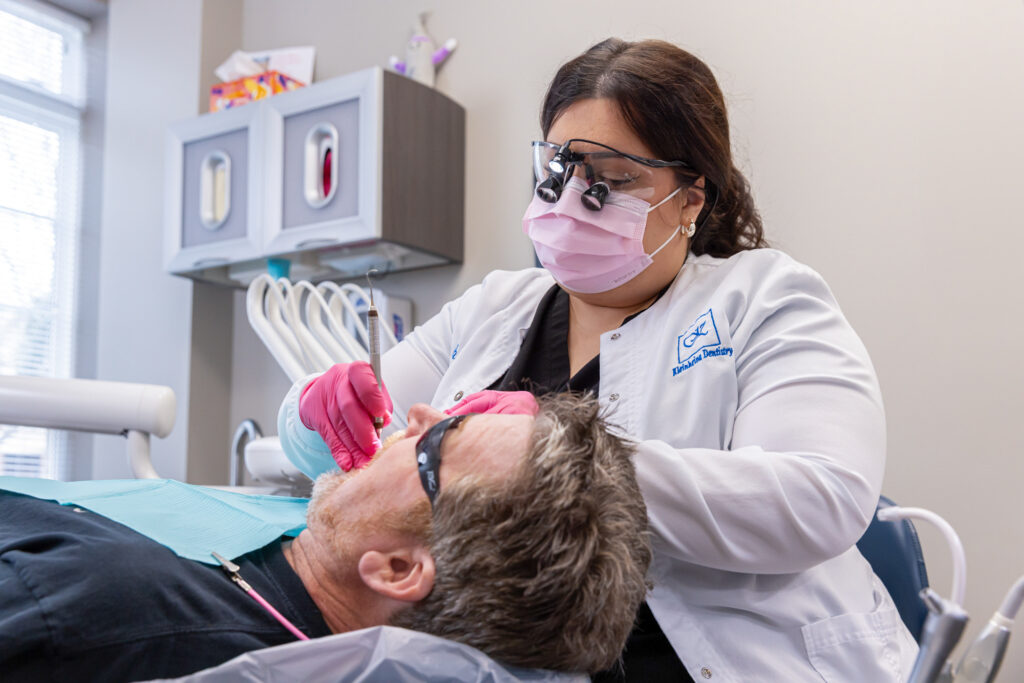
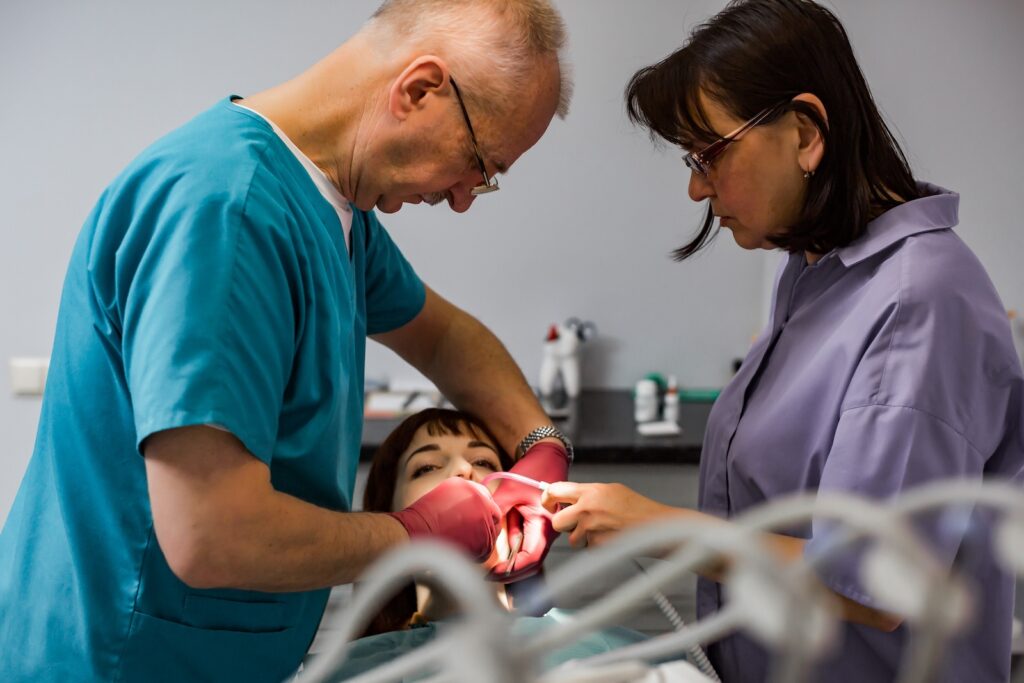
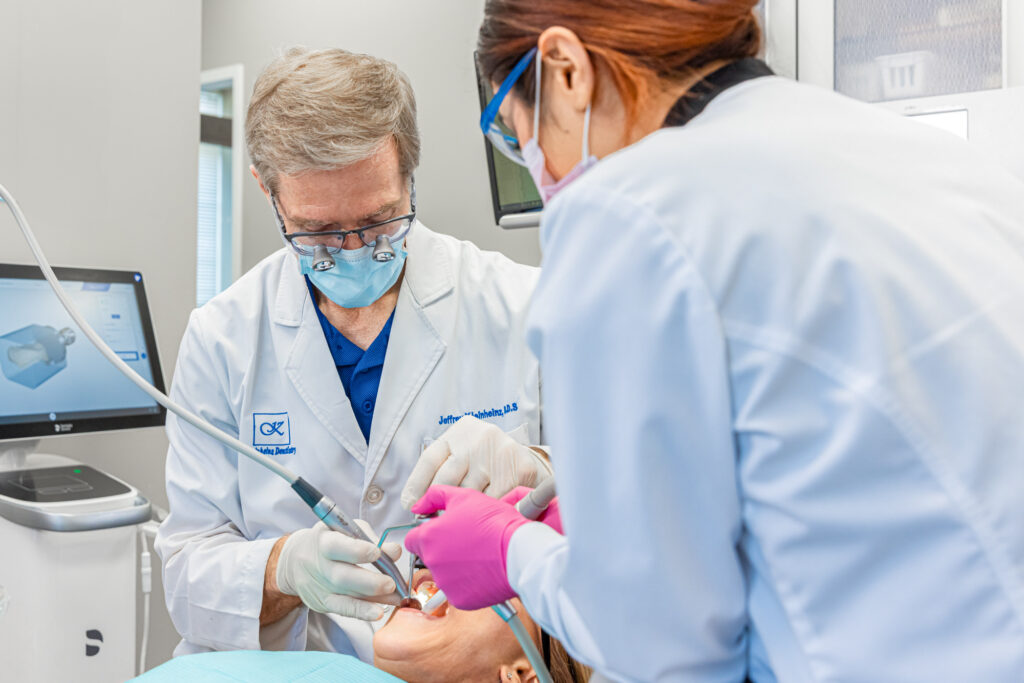
Tooth extractions in Charlotte can be necessary if you have signs of severe dental disease in one or more of the teeth in your mouth. Dr. Kleinheinz studies your teeth and looks for the signs of common conditions that can signal whether a tooth extraction is necessary:
- Tooth decay
- Gum disease
- Non-restorable tooth fractures
Our Process
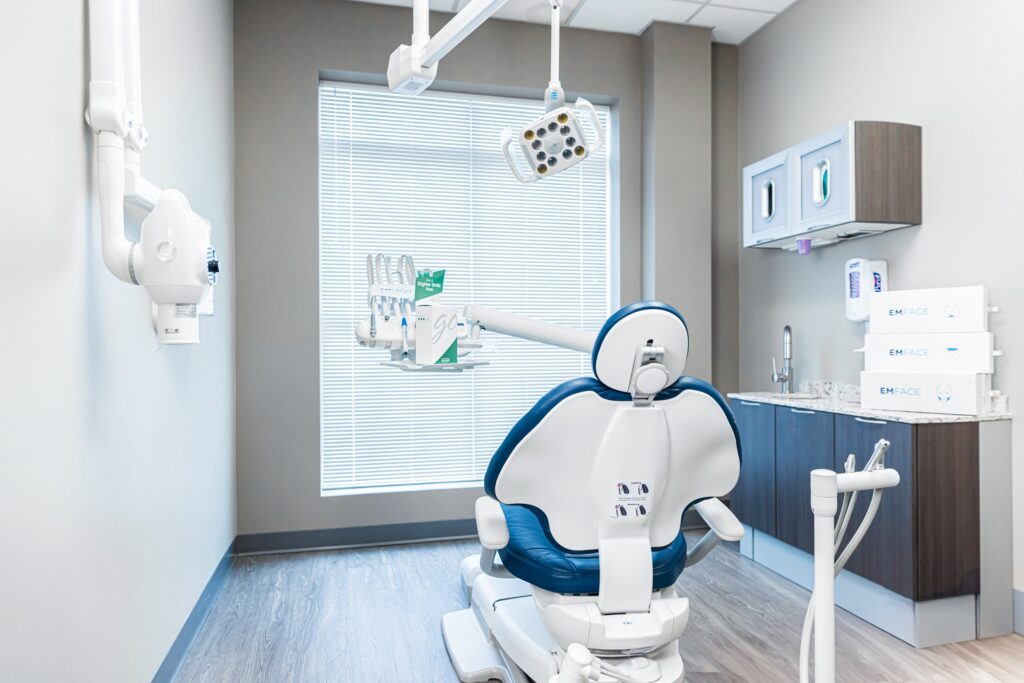
Come in to meet Dr. Kleinheinz and our team. Talk to us about your medical history and any questions you have about tooth extraction.
We will give you an anesthetic to numb the gum, then it will take 7 minutes to an hour to perform the tooth extraction in Charlotte.
Although you may have results immediately because the tooth is gone, you could need 1 to 5 days of recovery time.
See What We
Can Do
Use our Treatment Planning Tool to see how our services can treat your oral or facial concerns.




Why Kleinheinz?
Before opening his private practice, Dr. Kleinheinz, a distinguished US Air Force veteran, worked as a dentist for a decade within the Air Force.
Kleinheinz Dentistry’s staff consists only of highly experienced professionals. We guarantee that our service will be superior.
We’re dedicated to providing you with excellent care. We do everything we can to give you a great tooth extraction in Charlotte.
When a Tooth Extraction Becomes Necessary
Dentists always aim to preserve natural teeth whenever possible. Treatments such as fillings, crowns, or root canals can often repair damaged teeth and restore their function.
However, there are situations where a tooth becomes too damaged or infected to save. In these cases, dentists may recommend a tooth extraction to protect the rest of your oral health.
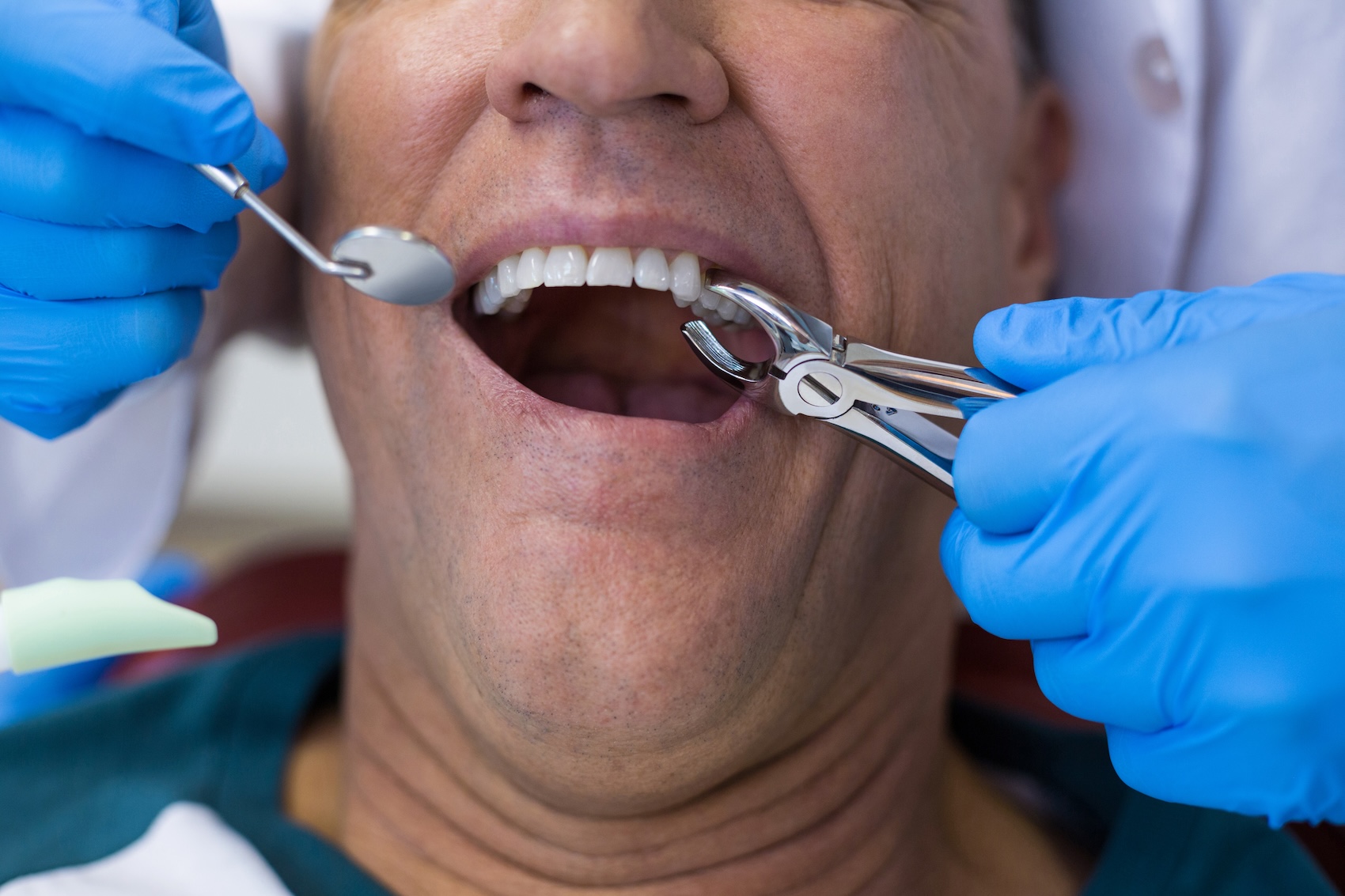
What a Tooth Extraction Accomplishes
Tooth extractions remove a damaged or problematic tooth from the mouth. While the idea of removing a tooth may sound intimidating, modern dental techniques allow dentists to perform extractions safely and comfortably.
Removing a severely compromised tooth can relieve pain, prevent infection from spreading, and protect neighboring teeth from further damage. Many patients who undergo a tooth extraction in Charlotte experience immediate relief from discomfort caused by infection or structural damage.
Dentists carefully evaluate each situation before recommending an extraction. The goal is always to choose the treatment that best preserves long-term oral health.
Signs You May Need a Tooth Extraction
Not every dental problem requires removing a tooth. Dentists often explore restorative treatments such as fillings, crowns, or root canals before recommending extraction. These options allow providers to repair damage while preserving as much natural tooth structure as possible.
However, there are situations where a tooth becomes too compromised to restore safely. In many cases, removing the tooth may protect the surrounding teeth and prevent additional oral health complications.
Severe Tooth Pain
Persistent tooth pain that doesn’t improve may indicate deep decay or infection. When damage reaches the inner layers of the tooth, an extraction may be the safest option.
Swelling or Infection
An abscessed tooth can cause swelling, tenderness, and infection in the surrounding tissue. If the infection becomes severe, removing the tooth may prevent it from spreading to other areas of the mouth.
Advanced Gum Disease
Gum disease can weaken the bone that supports teeth. When the supporting structures deteriorate significantly, a loose tooth may require extraction.
Significant Tooth Damage
A tooth that is cracked below the gumline or fractured beyond repair may not be restorable with a crown or filling.
Impacted Teeth
Some teeth, especially wisdom teeth, can become trapped beneath the gumline or grow at an improper angle. Impacted teeth often require removal to prevent pain or infection.
If you experience any of these symptoms, scheduling a consultation for a tooth extraction in Charlotte allows your dentist to evaluate the tooth and recommend the most ideal treatment plan.
The Tooth Extraction Procedure Explained
Many patients feel nervous about dental extractions because they are unsure what to expect. In reality, Dr. Kleinheinz takes a straightforward approach and carefully performs each service to ensure your comfort.
Step 1: Examination and Planning
Before performing a tooth extraction, the dentist evaluates the tooth and surrounding structures. Digital X-rays help determine the tooth’s position and the condition of the bone.
Step 2: Numbing the Area
We use a local anesthetic to numb the tooth and surrounding gum tissue. This ensures that patients remain comfortable throughout the procedure.
Step 3: Loosening the Tooth
The dentist gently loosens the tooth using specialized instruments. This process helps separate the tooth from the supporting ligaments.
Step 4: Removing the Tooth
Once the tooth loosens enough, the dentist carefully removes it from its socket.
Step 5: Protecting the Extraction Site
After removing the tooth, the dentist places gauze over the extraction site to help control bleeding and encourage clot formation. The added pressure compresses blood vessels, helps control bleeding, and protects the wound.
Types of Tooth Extractions
Tooth extractions vary depending on the position of the tooth and the extent of the damage or infection. Some teeth are fully visible and easy to access, while others may sit partially or completely beneath the gumline. Dentists evaluate these factors carefully before determining the safest and most effective approach. Based on the condition of the tooth, dentists typically perform one of two primary types of tooth extraction.
Simple Extractions
A simple extraction occurs when the tooth is fully visible above the gumline. The dentist loosens the tooth with specialized instruments and gently removes it. At Kleinheinz, simple extractions are our most common type of tooth extraction in Charlotte, especially for teeth that are severely decayed or damaged.
Surgical Extractions
Surgical extractions may be necessary when a tooth is partially or fully trapped beneath the gumline. This situation often occurs with impacted wisdom teeth.
During a surgical extraction, the dentist makes a small incision in the gum to access the tooth. In some cases, Dr. Kleinheinz may remove the tooth in sections to minimize trauma to the surrounding tissue.
Although surgical procedures sound intimidating, standard anesthesia and dental techniques make tooth extraction in Charlotte a comfortable experience for most patients.
Recovery After a Tooth Extraction
Proper aftercare plays an important role in healing after your tooth extraction in Charlotte. Most patients recover quickly, and following Dr. Kleinheinz instructions helps prevent complications.
During the first 24 hours after extraction, patients should:
- Bite gently on gauze to control bleeding
- Avoid rinsing or spitting forcefully
- Rest and limit strenuous activity
In the following days, maintaining good oral hygiene helps support healing. Patients should continue brushing their teeth while avoiding direct contact with the extraction site.
Soft foods such as yogurt, soup, scrambled eggs, and smoothies are often recommended during the initial recovery period. Most patients can gradually return to their normal diet as the area heals.
Replacing a Missing Tooth After Extraction
After performing a tooth extraction in Charlotte, Dr. Kleinheinz often discusses tooth replacement options. Replacing an extracted tooth can help patients maintain proper bite alignment and long-term oral health. Leaving a gap in your smile can place additional stress on surrounding teeth and may cause them to shift over time.
Dr. Kleinheinz may recommend several restorative solutions depending on your oral health, lifestyle, and long-term goals.
Dental Implants
Dental implants replace missing teeth by anchoring a small titanium post directly into the jawbone. Once the area heals, Dr. Kleinheinz places a custom crown on top of the implant to restore the look and function of a natural tooth.
When Dr. Kleinheinz May Recommend Saving a Tooth Instead
Dr. Kleinheinz always evaluates whether a damaged tooth can be preserved before recommending a tooth extraction in Charlotte. Modern dentistry offers several restorative treatments that allow patients to keep their natural teeth whenever possible.
For example, when decay affects the inner portion of a tooth but the structure remains strong, Dr. Kleinheinz may recommend a root canal. During this procedure, he removes infected tissue from inside the tooth and seals the space to prevent further infection. A dental crown often strengthens the treated tooth and restores normal function.
In other cases, large cavities or fractures may still be repairable with restorative treatments such as crowns or bonding. These solutions reinforce the remaining tooth structure while protecting it from additional damage.
However, some teeth become too compromised to safely restore. Severe infection, deep fractures below the gumline, or advanced gum disease may weaken the tooth beyond repair. In these situations, removing the tooth can protect the surrounding teeth and prevent further complications.
When a tooth extraction becomes the healthiest option. Dr. Kleinheinz carefully explains the reasoning behind the recommendation. He also discusses replacement options such as dental implants or bridges to help restore your smile after the extraction.
By evaluating every treatment possibility first, Dr. Kleinheinz focuses on preserving your natural teeth whenever possible while still protecting your long-term oral health.
Protecting Your Oral Health After Extraction
Following a tooth extraction in Charlotte, Dr. Kleinheinz provides clear instructions to support proper healing and protect your remaining teeth. Good oral hygiene and consistent dental care help prevent future dental problems.
You can protect your oral health by:
- Brushing and flossing consistently
- Scheduling routine dental exams and cleanings
- Addressing dental concerns as soon as they arise
- Maintaining a balanced diet that supports strong teeth and gums
These habits help protect your smile and reduce the likelihood of additional dental issues in the future.
How Dr. Kleinheinz Plans a Safe Tooth Extraction
Before performing a tooth extraction in Charlotte, Dr. Kleinheinz carefully evaluates the tooth, surrounding bone, and overall oral health. This planning helps him determine the safest approach for removing the tooth while protecting nearby teeth and gum tissue.
During your consultation, Dr. Kleinheinz reviews digital X-rays and discusses your symptoms, medical history, and treatment goals. This evaluation allows him to determine whether extraction is truly necessary or if another treatment could preserve the tooth.
When an extraction is the best option, Dr. Kleinheinz focuses on removing the tooth efficiently while minimizing stress on the surrounding area. Careful technique helps support smoother healing and reduces the risk of complications.
Patients who visit Kleinheinz Dentistry for a tooth extraction in Charlotte receive clear guidance before and after the procedure so they know exactly how to care for the extraction site and support a healthy recovery.

Let’s Get Started
Request your appointment at Kleinheinz Dentistry whenever you’re ready to get a tooth extraction in Charlotte.