Learn About Crowns
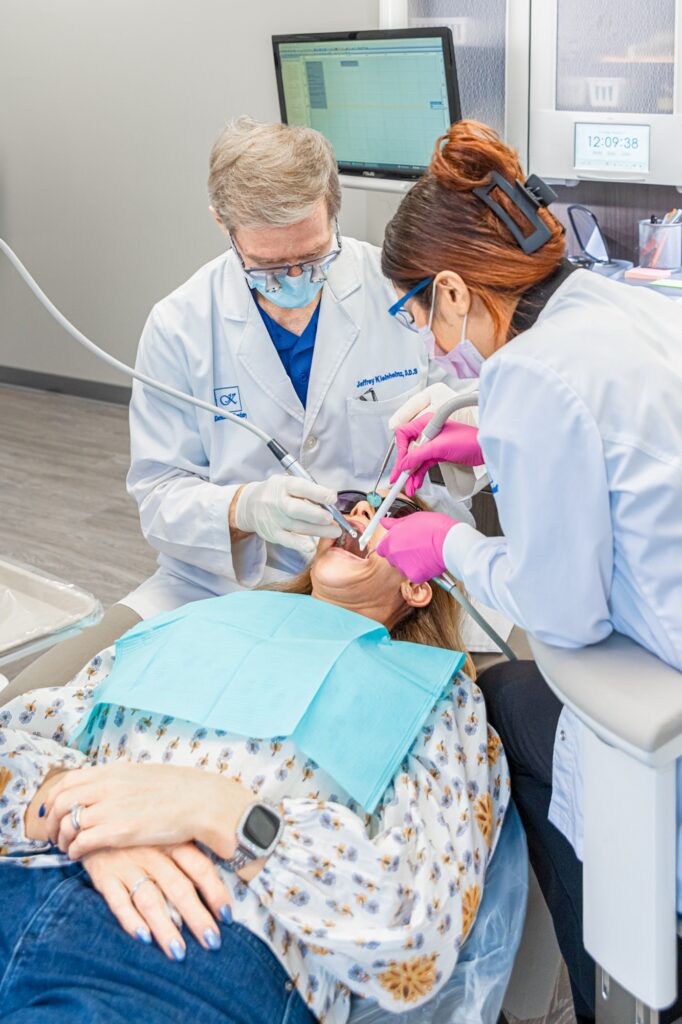
You noticed a crack in one of your teeth a while ago, but never got around to getting it fixed. Well, this is your sign. Dr. Kleinheinz is passionate about teeth and compassionate as a doctor. He can provide you with the best dental crowns in Charlotte so you can once again crack that smile.
- Repairs broken teeth
- Fixes teeth fractures
- Fills in a large cavity
- Restores confidence
Our Process
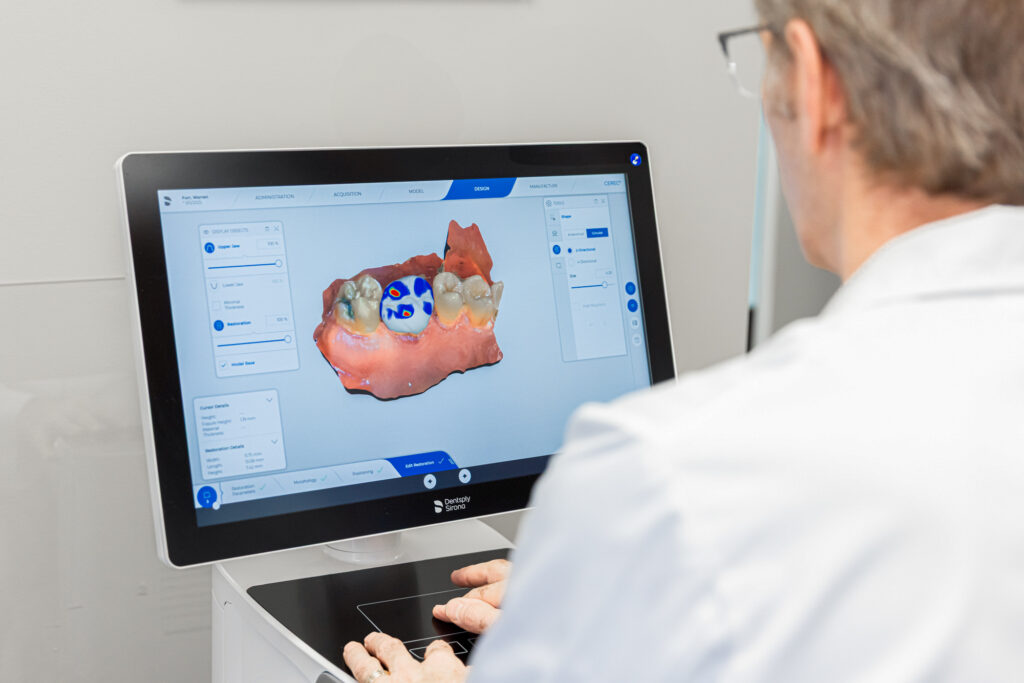
We require a consultation for those interested in getting a dental crown in Charlotte. You meet with Dr. Kleinheinz to discuss your dental history and make a treatment plan.
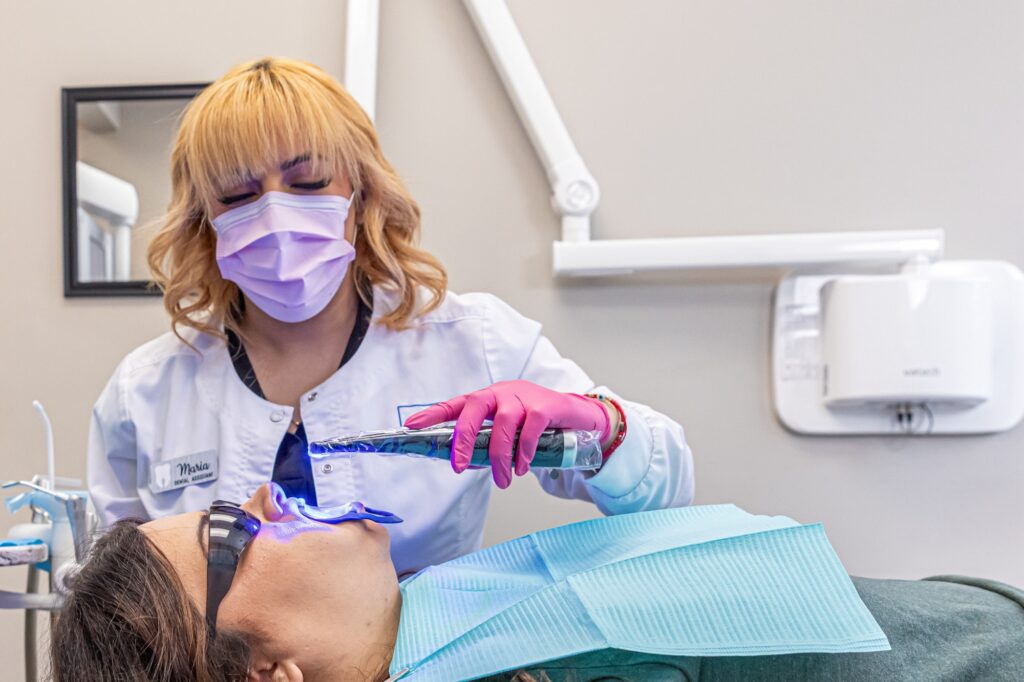
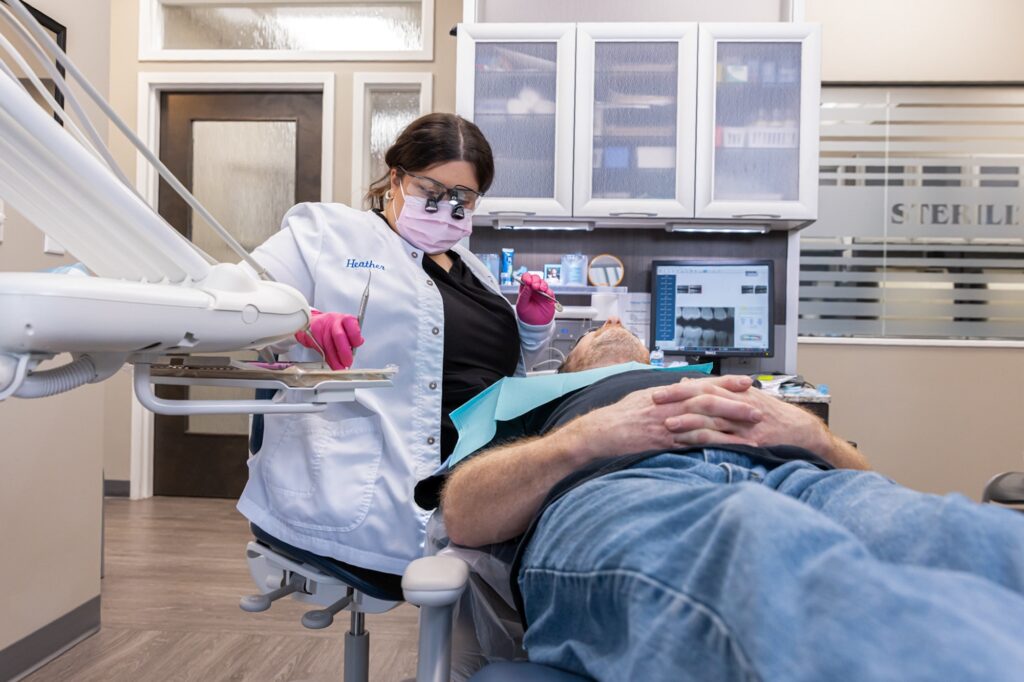
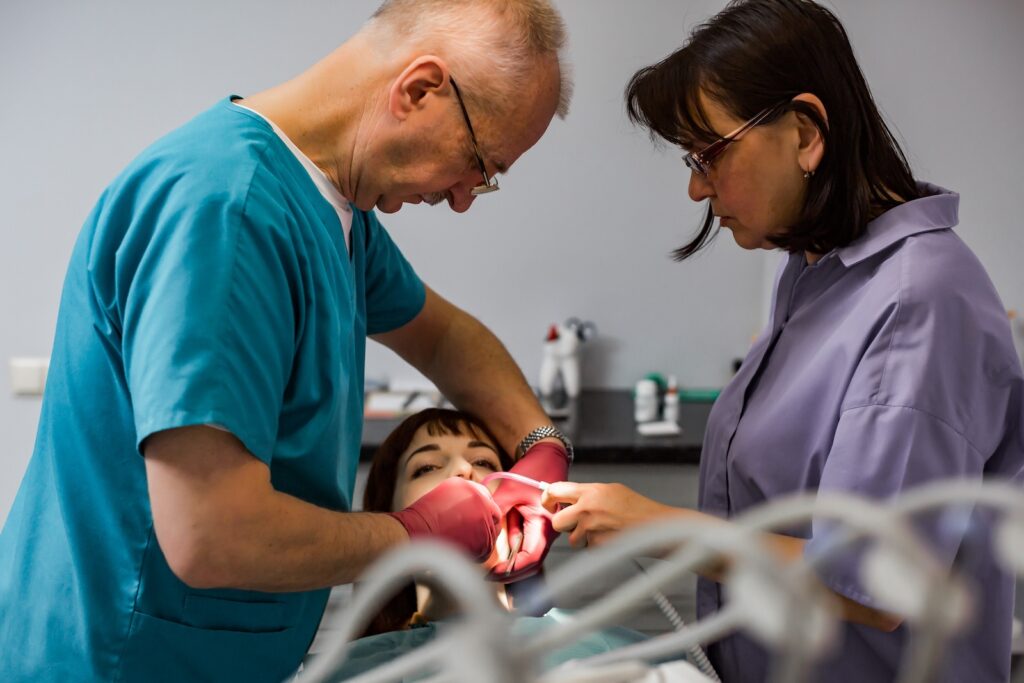
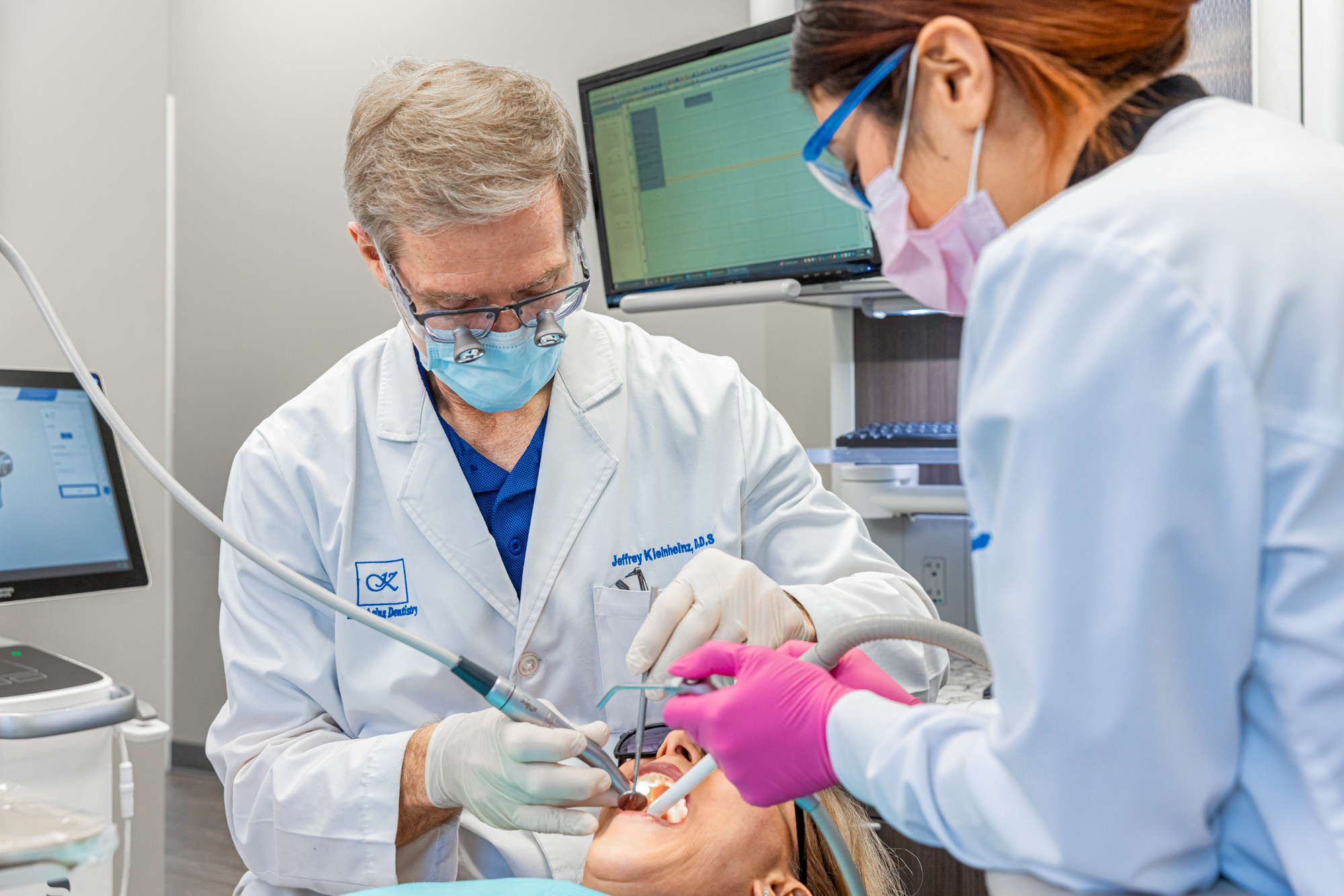
To place a crown on a tooth, we have you lay back in a comfortable chair while we administer a local anesthetic to your gumline. Then, we shape the tooth and place the crown.
Installing a crown only requires one session, with results appearing immediately and lasting up to ten years. It's a one-and-done appointment.
See What We
Can Do
Use our Treatment Planning Tool to see how our services can treat your oral or facial concerns.



Hear More From Our Doctor
Learn more about crowns from Dr. Kleinheinz!


Why Kleinheinz?
You will be hard pressed to find a more compassionate staff than the one at Kleinheinz Dentistry. We want you to feel well cared for while you are at our clinic.
Dr. Kleinheinz and Kleinheinz Dentistry is proud to be affiliated with The American Dental Association, The North Carolina Dental Society, and The Charlotte Dental Society.
Our staff are experts at what they do from our hygienists to our doctor! Experience the difference when you come in for dental crowns in Charlotte.
Understanding Dental Crowns
If your tooth has been damaged, cracked, or weakened by decay, a dental crown may be one of the most effective ways to restore its strength and appearance. Dental crowns act as protective coverings that reinforce compromised teeth while restoring their natural shape and function.
The Crowning Touch for Structure
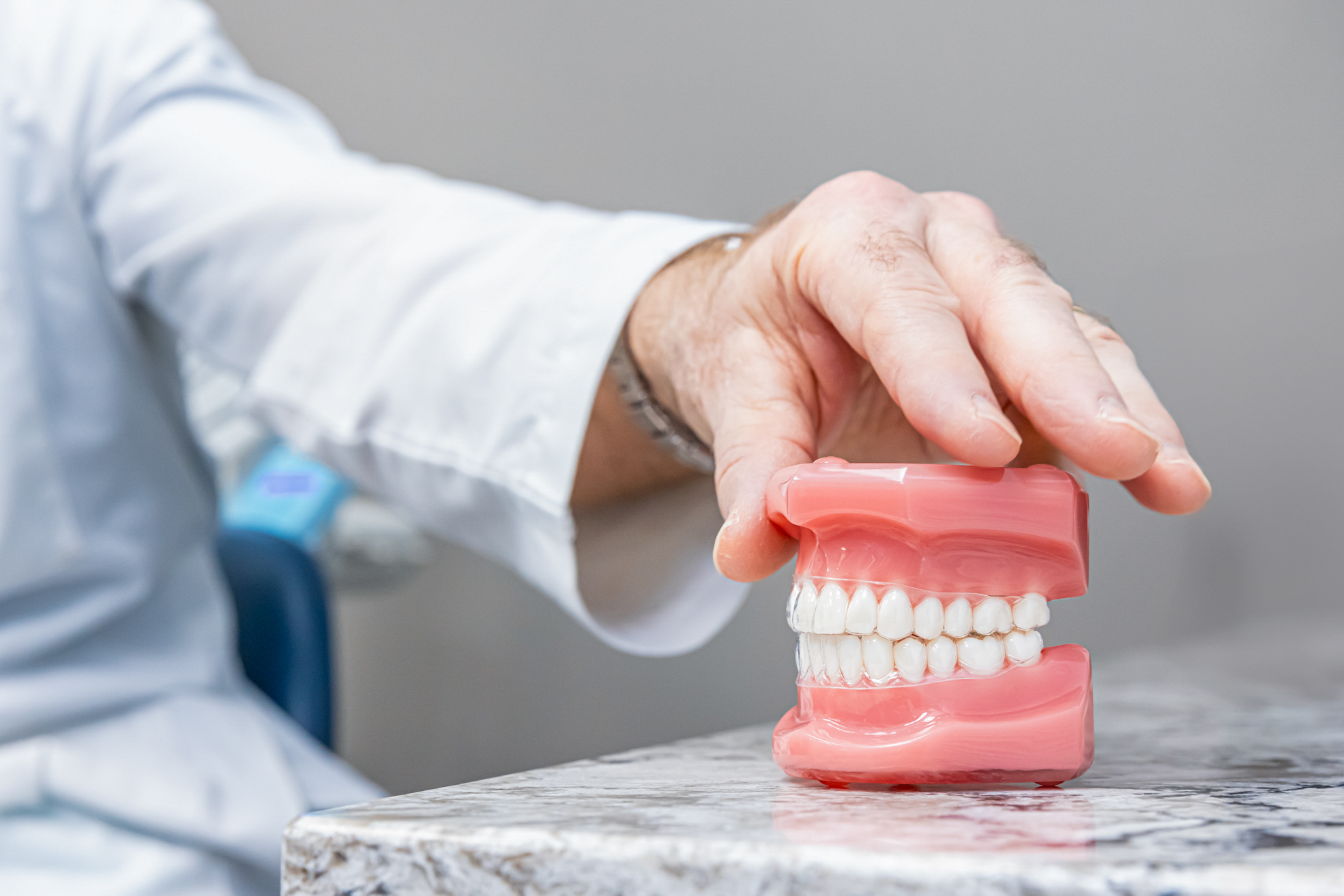
Many patients consider dental crowns in Charlotte when a filling is no longer strong enough to repair a tooth. Large cavities, fractures, and worn enamel can weaken a tooth’s structure. A crown provides reinforcement by covering the entire visible portion of the tooth, protecting it from further damage.
Because crowns can restore strength and appearance, they are one of the most versatile restorative treatments in dentistry. Patients often choose a crown not only to repair damage but also to maintain the long-term health and stability of their smile.
When a Dental Crown Is Necessary
Not every damaged tooth can be repaired with a simple filling. When decay, fractures, or structural damage affect a larger portion of the tooth, dentists often recommend dental crowns to restore the strength and function of the tooth. Crowns protect weakened teeth while preserving the natural tooth underneath, allowing patients to maintain a healthy and comfortable smile.
Dentists like Dr. Kleinheinz recommend local patients get dental crowns in Charlotte when a tooth needs more support than a standard filling can provide. While fillings are useful for repairing small areas of decay, crowns restore teeth that have experienced significant structural damage.
Several situations may require a dental crown, including:
Severe Tooth Decay
When a cavity becomes too large, there may not be enough healthy tooth remaining to support a filling. A crown reinforces the remaining structure and prevents the tooth from breaking.
Cracked or Fractured Teeth
Teeth can crack from trauma, grinding, or biting down on hard foods. A crown stabilizes the tooth and prevents the crack from spreading further.
After Root Canal Treatment
A root canal removes infected tissue inside a tooth. While this treatment eliminates infection, it can also weaken the structure of the tooth. Dentists may recommend placing a crown afterward to restore strength and function.
Worn or Eroded Teeth
Over time, teeth can become worn from things like grinding, clenching, or erosion from acid. Crowns can rebuild the original shape of the tooth and restore proper bite alignment.
By restoring the strength of the tooth, dental crowns allow patients to chew comfortably and protect their natural teeth from additional damage.
Types of Dental Crowns
Dental crowns are available in several materials, each designed to balance durability, aesthetics, and functionality. During your consultation, Dr. Kleinheinz will give you a recommendation for the most appropriate crown based on your dental needs.
Porcelain Crowns
Porcelain crowns are the most popular choices for visible teeth. They closely resemble natural enamel in both color and translucency, allowing them to blend seamlessly with surrounding teeth.
Patients often choose porcelain dental crowns in Charlotte for front teeth or areas where aesthetics are particularly important.
Ceramic Crowns
Ceramic crowns provide a highly natural appearance and excellent durability. These crowns work well for patients who want metal-free restorations while still maintaining strength.
Porcelain-Fused-to-Metal Crowns
These crowns combine the strength of metal with the appearance of porcelain. A metal base supports the crown while a porcelain exterior provides a natural look.
Zirconia Crowns
Zirconia crowns are known for their exceptional strength and durability. They resist cracking and wear, making them an excellent choice for molars or teeth that endure heavy chewing forces.
Selecting the right material helps ensure that your dental crowns in Charlotte provide both long-lasting protection and a natural appearance.
The Dental Crown Procedure Explained
Understanding what happens during treatment can help patients feel more comfortable about receiving dental crowns in Charlotte.
Step 1: Consultation and Examination
Every crown procedure begins with a detailed dental evaluation. Dr. Kleinheinz examines the damaged tooth and determines whether a crown is the best restorative option.
We may use digital imaging or X-rays to evaluate the condition of the tooth and ensure the surrounding bone and tissue remain healthy.
Step 2: Tooth Preparation
Before placing a crown, the dentist carefully reshapes the tooth. This preparation creates space for the crown to fit securely over the tooth without affecting your natural bite.
Local anesthesia ensures that the procedure remains comfortable throughout the process.
Step 3: Custom Crown Design
We offer dental crowns that match the shape, color, and alignment of your surrounding teeth. The goal is to restore the tooth while maintaining a natural appearance.
Because we custom-make dental crowns, each crown fits precisely to the patient’s tooth.
Step 4: Crown Placement
Once the crown is ready, Dr. Kleinheinz carefully positions it. A strong dental adhesive permanently bonds the crown to the prepared tooth.
After placement, the crown functions just like a natural tooth. Patients can eat, speak, and smile normally.
Caring for Your Dental Crown
Dental crowns require the same level of care as your natural teeth. Maintaining proper oral hygiene helps ensure your crown remains strong and functional for many years.
Patients who receive dental crowns should follow several simple care practices:
Maintaining Consistent Oral Hygiene
Brushing twice daily and flossing regularly prevents plaque buildup around the crown and gumline.
Avoid Excessive Force
Although crowns are durable. Chewing extremely hard foods can cause unnecessary stress on the restoration.
Schedule Routine Dental Visits
Regular dental checkups allow your dentist to monitor the condition of your crown and surrounding teeth.
With proper care, dental crowns can last ten years or longer while protecting the underlying tooth structure.
Protect Long-Term Oral Health with Dental Crowns
In Charlotte, dental crowns help prevent further damage to compromised teeth. Without protection, weakened teeth may continue to crack, decay, or deteriorate.
By covering the tooth entirely, crowns act as protective shields that reinforce the remaining structure. This support allows the tooth to withstand everyday chewing forces while maintaining stability.
Patients who come to us for dental crowns in Charlotte often avoid more complex treatments later. Protecting a damaged tooth early can reduce the risk of tooth loss, infection, or additional restorative procedures.
Dental Crowns vs. Other Restorative Options
Dental crowns are only one option for repairing damaged teeth. However, they often provide the most comprehensive restoration when a tooth requires full structural support.
Crowns vs. Fillings
Fillings repair small areas of decay but do not protect the entire tooth. When damage is more extensive, a crown offers stronger reinforcement.
Crowns vs. Veneers
Veneers primarily improve cosmetic appearance. Crowns restore both the strength and appearance of teeth that have been structurally compromised.
Crowns vs. Dental Implants
Dental implants replace missing teeth entirely. Crowns restore teeth that remain intact but need reinforcement.
Understanding these differences helps patients determine whether dental crowns represent the most appropriate solution for their dental needs.
How Dental Crowns Restore Both Function and Appearance
One of the more valuable benefits of dental crowns is their ability to restore both the strength and the appearance of a damaged tooth. When a tooth becomes cracked, weakened, or heavily filled, everyday activities like chewing and speaking can become uncomfortable. A dental crown reinforces the entire tooth structure, allowing it to function normally again.
Because crowns cover the entire visible portion of a tooth, they also improve its appearance. Modern crowns cover the entire visible portion of the tooth, creating a protective barrier that helps prevent additional crack, wear, or decay.
Patients often choose dental crowns in Charlotte not only to repair damage but also to restore confidence in their smile. A tooth that once appeared chipped, worn, or discolored can look healthy and complete again once we place the crown.
Dental crowns also play an important role in maintaining proper bite alignment. When a tooth becomes worn down or damaged, it can affect how your upper and lower teeth meet when chewing. A properly designed crown restores the original shape of the tooth, helping maintain balance across your bite and preventing unnecessary strain on surrounding teeth.
By combining durability with natural aesthetics, dental crowns allow patients to protect their oral health while preserving the appearance of a natural, confident smile.
The Value of an Experienced Crown Provider
When you receive a dental crown in Charlotte, the quality depends heavily on the precision and experience of the local dentist placing it. Proper crown placement requires a deep understanding of bite alignment, tooth anatomy, and restorative techniques.
Dr. Kleinheinz brings extensive experience in restorative dentistry and focuses on delivering natural-looking results that preserve the function of your smile. He offers crowns that match your surrounding teeth while restoring comfort and stability.
Patients who receive dental crowns at Kleinheinz benefit from personalized care, advanced techniques, and a commitment to long-term oral health.
Beyond restoring a damaged tooth, dental crowns strengthen compromised teeth and help prevent additional damage over time. With daily brushing, flossing, and routine dental visits, crowns provide lasting support that allows patients to chew comfortably and protect their natural tooth structure.

Let’s Get Started
Request your appointment at Kleinheinz Dentistry whenever you’re ready to get dental crowns in Charlotte.