

Learn About Fillings
Cavities can be painful while eating or drinking. Fortunately, they’re easy to fix with help from a qualified dentist. At Kleinheinz Dentistry we specialize in long lasting dental fillings in Charlotte. We can get your mouth healthy and back to eating your favorite crunchy foods in no time.
What do fillings help with?
- Tooth Decay
- Minor Tooth Fractures

Our Process
A consultation for fillings is necessary unless it’s an emergency. We take the time to assess all your teeth and map out which ones need fillings.
We will have you sit in a comfy chair and we will give you an aesthetic for numbing your gum and tooth. Then we can remove any tooth damage and apply the filling.
The results of the treatment will be immediate. The filling is now ready for you to chew on all your favorite foods. That’s good news!
See What We
Can Do
Use our Treatment Planning Tool to see how our services can treat your oral or facial concerns.




Why Kleinheinz?
Dr. Kleinheinz, a decorated veteran of the U.S. Air Force, spent a decade as a dentist before starting his own private practice.
Kleinheinz Dentistry’s entire team consists of skilled professionals boasting years of experience. Expect top-tier service when you come in for a dental filling in Charlotte.
The entire team, from hygienists and aestheticians to operations, prioritizes your care. We strive to create a calming and positive experience for you.
How Dental Fillings Restore Teeth Affected by Decay
Tooth decay is one of the most common dental concerns people experience throughout their lives. Even with good oral hygiene, bacteria, acids, and everyday wear can slowly damage tooth enamel. When decay creates a cavity, dentists in our area often recommend a dental filling in Charlotte to restore the tooth and prevent the problem from worsening.
The Purpose of a Dental Filling
A dental filling repairs the area of a tooth affected by decay. After removing the damaged portion of the tooth, the dentist fills the space with a durable material that restores the tooth’s shape and function. This prevents bacteria from entering the tooth again and allows patients to chew comfortably.
Many patients seek a dental filling in Charlotte when they begin experiencing sensitivity, discomfort while chewing, or visible dark spots on their teeth. Treating cavities early helps protect the tooth structure and prevents the need for more complex procedures later.
Because fillings restore the integrity of the tooth, they play an important role in maintaining long-term oral health.
What Causes Cavities and Tooth Decay
Cavities develop when bacteria in the mouth produce acids that slowly break down tooth enamel. These bacteria feed on sugars and carbohydrates left behind after eating or drinking.
Over time, this process can weaken the enamel and create small holes in the tooth. Without treatment, cavities continue to grow deeper and may eventually affect the inner layers of the tooth.
Several factors increase the risk of needing a dental filling, including:
Frequent Sugar Consumption
Sugary foods and beverages provide fuel for bacteria that produce acid.
Poor Oral Hygiene
When plaque remains on teeth for long periods, bacteria can damage enamel more easily.
Dry Mouth
Saliva helps neutralize acids and wash away bacteria. Reduced saliva flow increases the risk of decay.
Tooth Grinding
Grinding can weaken enamel and make teeth more vulnerable to cavities.
Irregular Dental Visits
Routine dental exams allow dentists to detect cavities early before they become larger problems.
By understanding what causes tooth decay, patients can take steps to reduce their risk of needing a dental filling in Charlotte in the future.
Signs You May Need a Dental Filling
Not every cavity causes immediate problems. In fact, many cavities develop slowly and may not cause noticeable symptoms at first. That is why routine dental checkups are so important.
However, several warning signs may indicate that you need dental fillings:
Tooth Sensitivity
Sensitivity to hot, cold, or sweet foods can indicate enamel damage.
Pain While Chewing
Discomfort when biting down may signal decay or a weakened tooth.
Visible Dark Spots or Holes
Cavities often appear as small dark areas on the tooth surface.
Rough Edges on Teeth
Damage from decay or small fractures can create uneven tooth surfaces.
Persistent Toothache
Ongoing discomfort may indicate deeper decay requiring treatment.
If you notice any of these symptoms, scheduling an evaluation for a dental filling in Charlotte can help prevent further damage to the tooth.
Types of Dental Fillings
Modern dentistry offers several materials for dental fillings. Each type provides durability and protection while restoring the structure of the tooth.
Composite Fillings
Composite resin fillings are one of the most popular options for a dental filling in Charlotte. These fillings match the natural color of teeth, allowing them to blend seamlessly with the surrounding enamel.
Composite fillings bond directly to the tooth structure, providing both strength and aesthetic appeal.
Silver Amalgam Fillings
Amalgam fillings have been used in dentistry for decades. These fillings contain a combination of metals that create a strong and durable restoration.
Although they are more noticeable than composite fillings, they often work well for back teeth that experience heavy chewing pressure.
Ceramic Fillings
Ceramic fillings provide excellent durability and stain resistance. These restorations are often custom-made and designed to match the natural appearance of surrounding teeth.
During your consultation, Dr. Kleineheinz will recommend the most appropriate material for your dental filling in Charlotte based on the size and location of the cavity.
The Dental Filling Procedure
Many patients feel nervous about dental treatments, but receiving dental fillings is typically a quick and straightforward process.
Step 1: Examination
The dentist first examines the tooth and may take digital X-rays to evaluate the extent of the decay and determine the best treatment approach.
Step 2: Local Anesthesia
A local anesthetic numbs the tooth and surrounding area to ensure comfort during the procedure.
Step 3: Removing Decay
The dentist carefully removes the decayed portion of the tooth using specialized dental instruments designed to preserve as much healthy tooth structure as possible.
Step 4: Placing the Filling
Once your provider cleans the area, they place the filling material inside the tooth and shape it to restore the tooth’s natural structure and bite alignment.
Step 5: Hardening and Polishing
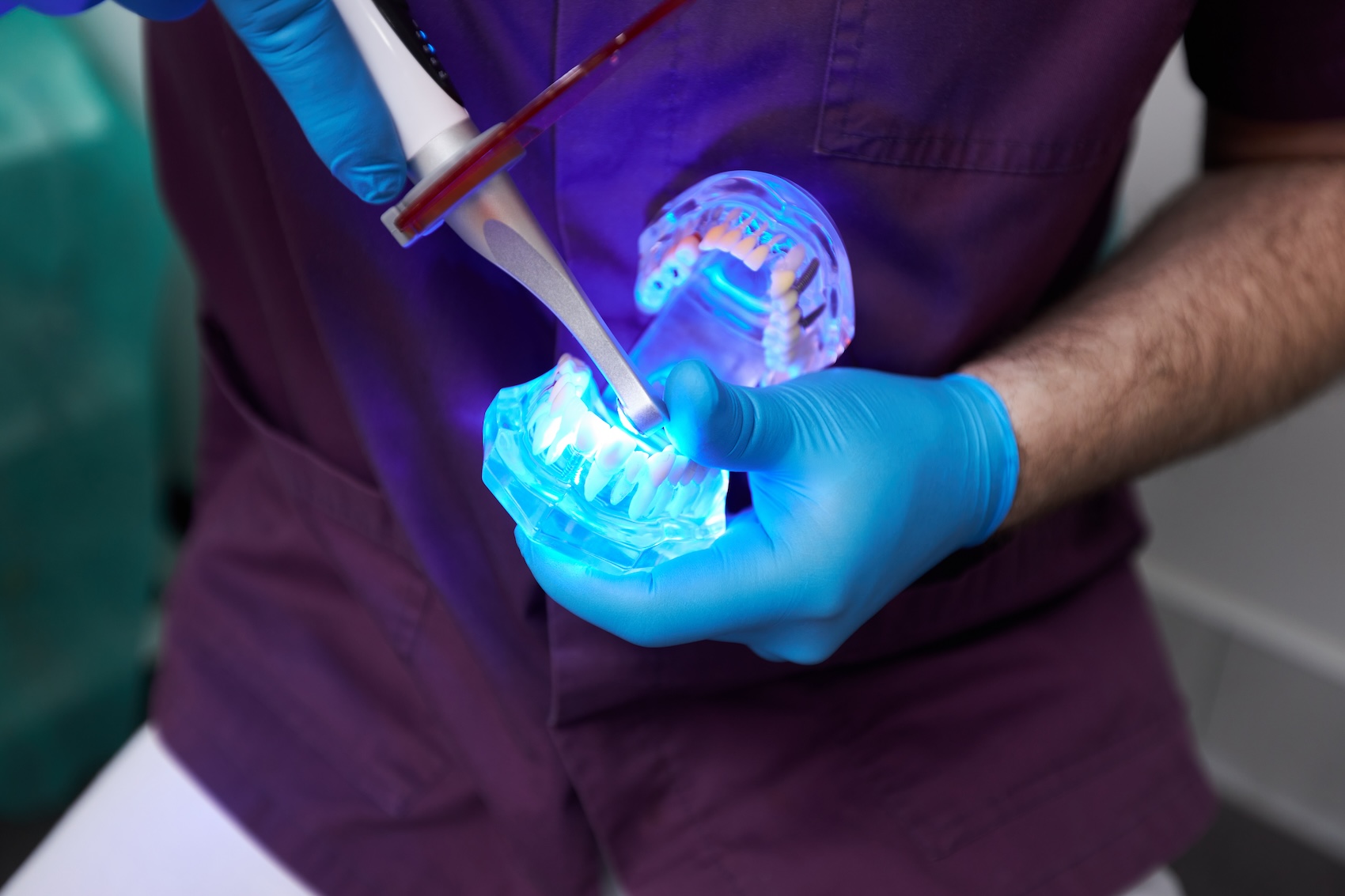
For composite fillings, a special light helps harden the material. The dentist then smooths and polishes the filling to ensure a comfortable bite.
Most appointments for a dental filling in Charlotte take less than an hour, allowing patients to return to their daily activities quickly.
Caring for Your Dental Filling
After receiving dental fillings, maintaining good oral hygiene helps protect both the filling and the surrounding teeth.
Patients should follow several simple care practices for the best results.
Brush and Floss Daily
Regular brushing and flossing remove plaque and bacteria that contribute to decay.
Avoid Excessive Sugar
Limiting sugary snacks and drinks helps reduce the risk of additional cavities.
Schedule Routine Dental Visits
Professional cleanings and exams allow dentists to monitor fillings and detect early signs of new decay.
Address Teeth Grinding
If you grind your teeth at night, a custom night guard can help protect both your teeth and fillings.
With proper care, many dental fillings can last 10 years or longer.
How Dentists Detect Cavities Early
Cavities do not always cause noticeable symptoms in their earliest stages. In fact, many patients who need dental fillings feel no discomfort until the cavity has already progressed. That is why routine dental exams play such an important role in protecting your teeth.
During a checkup, dentists look for early signs of enamel damage, discoloration, or weak areas that may indicate developing decay. Specialized dental instruments allow providers to gently examine the tooth surface and identify softened enamel that could signal a cavity.
Digital X-rays also help detect cavities forming between teeth or beneath existing restorations. These areas can be difficult to see during a visual exam alone, but imaging allows dentists to identify decay before it spreads further into the tooth.
Early detection allows dentists to treat cavities while they remain small. When dentists address decay with dental fillings quickly, patients can often avoid more complex procedures such as crowns or root canal therapy.
Regular dental visits therefore play a critical role in maintaining healthy teeth. By identifying problems early, dentists help preserve natural tooth structure and prevent discomfort before it begins.
Preventing Cavities in the Future
While dental fillings effectively repair damaged teeth, prevention remains the best approach to maintaining oral health.
Simple habits can significantly reduce the likelihood of future cavities:
- Brush twice daily with fluoride toothpaste
- Floss between teeth each day
- Limit sugary foods and beverages
- Drink water regularly throughout the day
- Visit the dentist for routine cleanings and exams
Preventive care helps many patients avoid the need for an additional dental filling in Charlotte while preserving their natural teeth.
When a Filling May Not Be Enough
Dental fillings work well for small-to-moderate cavities, but some situations require a different restorative approach. When tooth damage becomes extensive, dentists may recommend additional treatments to restore the tooth’s strength and function.
If decay reaches deeper layers of the tooth, the dentist may need to perform a root canal before restoring the tooth with a crown. A root canal removes infected tissue inside the tooth while preserving the remaining structure.
In other cases, a tooth may become too weak to support a filling alone. Large cavities can remove significant portions of the tooth, making it more vulnerable to cracking. In these situations, a dental crown may provide better protection by covering the entire tooth surface.
Dentists evaluate each patient’s situation carefully before recommending a dental filling in Charlotte. The goal is always to preserve as much of the natural tooth as possible while ensuring the restoration remains strong and durable.
By addressing cavities early, many patients can resolve tooth decay with a simple filling rather than requiring more extensive treatment later.
Why Experience Matters When Treating Cavities
Placing a dental filling requires careful attention to detail. Your provider must remove all decay while preserving as much healthy tooth structure as possible.
Proper shaping and placement ensure that the filling blends smoothly with the natural tooth and does not interfere with your bite.
At Kleinheinz Dentistry, patients who receive a dental filling in Charlotte benefit from personalized care and a commitment to long-term oral health. Dr. Kleinheinz carefully evaluates each tooth before treatment and uses advanced techniques to restore strength, comfort, and function.
Early treatment and experienced care allow patients to resolve cavities quickly and maintain a healthy, confident smile.

Let’s Get Started
Request your appointment at Kleinheinz Dentistry whenever you’re ready to get a dental filling in Charlotte.