Learn About Root Canals
Have you ever had mild pain while eating or sensitive teeth to temperature changes? If so, you might need a root canal. At Kleinheinz Dentistry, we have the expertise to remove the damaged nerve and fix up the tooth with a root canal in South Charlotte.
- Fixes dead nerve inside tooth.
- Removes diseased nerve inside tooth.
Signs You May Need a Root Canal
Many patients associate root canals with severe tooth pain, but symptoms can appear in several different ways. Infection inside the tooth often develops gradually, which means some patients may notice subtle warning signs before the pain becomes significant.
If you experience any of the following symptoms, it may be time to schedule a consultation for a root canal in South Charlotte.

Persistent Tooth Pain
Ongoing discomfort that does not go away can indicate inflammation or infection inside the tooth. This pain may feel dull and constant or may worsen when chewing or applying pressure.
Sensitivity to Hot or Cold Temperatures
Sensitivity that lingers after drinking hot coffee or cold beverages may signal that the nerve inside the tooth has become irritated or damaged.
Swollen or Tender Gums
Infection within the tooth can sometimes cause swelling in the surrounding gum tissue. You may also notice tenderness or a small bump near the affected tooth.
Tooth Discoloration
A tooth that appears darker than surrounding teeth may indicate that the internal nerve tissue has become damaged or is no longer healthy.
Pain When Biting or Chewing
Pressure from chewing may trigger discomfort when the pulp inside the tooth is inflamed.
Not every symptom means a root canal is the answer, but these warning signs should never be ignored. During a consultation, Dr. Kleinheinz evaluates your tooth carefully to determine whether a root canal in South Charlotte is the best solution for restoring your oral health.
What Causes a Tooth to Need a Root Canal
A root canal becomes necessary when the soft tissue inside the tooth, known as the pulp, becomes inflamed or infected. The pulp contains nerves, blood vessels, and connective tissue that help the tooth develop. Once a tooth is fully formed, however, it can function without this tissue.
Several factors can cause damage to the pulp and lead to the need for a root canal.
One of the most common causes is deep tooth decay. When cavities extend beyond the outer enamel and dentin layers of the tooth, bacteria can reach the pulp and trigger infection.
Cracks or fractures in the tooth can also expose the pulp to bacteria. Even small cracks may allow bacteria to enter the tooth over time, eventually leading to inflammation or infection.
Repeated dental procedures on the same tooth can sometimes irritate the pulp as well. When a tooth undergoes multiple treatments, the internal tissue may become weakened or inflamed.
In other cases, trauma to the tooth may damage the pulp even if the tooth does not appear visibly cracked. A strong impact to the teeth, gum, or mouth can disrupt the blood supply to the tooth and cause the nerve to deteriorate.
When an infection develops inside the tooth, treatment should not be delayed. A root canal allows Dr. Kleinheinz to remove the infected pulp and preserve the structure of the tooth before the damage spreads further.
What Happens During a Root Canal Procedure
Many patients feel nervous when they hear the words “root canal,” but the procedure itself is designed to relieve pain rather than cause it. Modern dental techniques allow Dr. Kleinheinz to treat the infected tooth while keeping you comfortable throughout the process.
The procedure for a root canal typically follows several steps.
Step 1: Numbing the area
Dr. Kleinheinz begins by applying a local anesthetic around the affected tooth. This numbs the area so you remain comfortable during treatment.
Step 2: Accessing the tooth pulp
Once the area is numb, Dr. Kleinheinz creates a small opening in the top of the tooth. This allows him to reach the infected pulp inside.
Step 3: Removing infected tissue
Using specialized dental instruments, Dr. Kleinheinz carefully removes the infected or damaged pulp from the inner chamber of the tooth. This step eliminates the source of pain and infection.
Step 4: Cleaning and shaping the canals
After removing the pulp, he cleans and shapes the inner root canals to ensure that all bacteria and debris are removed.
Step 5: Sealing the tooth
Once the canals are thoroughly cleaned, they are filled with a biocompatible material that seals the space and prevents bacteria from reentering the tooth.
In many cases, a dental crown is placed during a later appointment to strengthen and protect the treated tooth. With proper restoration, a tooth treated with a root canal in South Charlotte can continue functioning normally for many years.
How a Root Canal Protects Your Natural Tooth
One of the biggest advantages of root canal therapy is that it allows patients to keep their natural tooth. Preserving your original tooth structure helps maintain proper bite alignment and supports the health of surrounding teeth.
When an infection develops inside the tooth pulp, the damage can spread deeper into the tooth and surrounding bone if left untreated. A root canal removes the infected tissue while preserving the remaining tooth structure.
Saving the natural tooth offers several important benefits.
- It helps maintain normal chewing function. Natural teeth work together to distribute biting pressure evenly across your mouth. Removing a tooth can sometimes shift this balance.
- Preserving the tooth prevents nearby teeth from drifting out of position. When a tooth is lost, surrounding teeth may gradually shift into the empty space, which can lead to bite changes and additional dental concerns.
- Root canal therapy often requires less extensive treatment than replacing a missing tooth. By removing the infection and restoring the tooth with a crown, Dr. Kleinheinz helps patients maintain a stable, healthy smile.
With proper care and regular dental visits, a tooth treated with a root canal in South Charlotte at Kleinheinz Dentistry can continue functioning just like a natural tooth for many years.
The Value of Preserving Your Teeth
Whenever possible, dentists aim to preserve a patient’s natural tooth. Root canal therapy allows Dr. Kleinheinz to remove the infection while maintaining the original tooth structure.
Choosing a root canal instead of extracting the tooth offers several advantages for long-term oral health.
Natural teeth work together when chewing and biting. Removing a tooth can disrupt this balance and place additional pressure on neighboring teeth.
Preserving the natural tooth also helps maintain proper alignment. When a tooth is lost, surrounding teeth may gradually shift into the empty space. This movement can lead to bite changes and uneven wear over time.
Another benefit of root canal treatment is that it often requires less extensive dental work compared to replacing a missing tooth. While dental implants provide excellent results, preserving the natural tooth when possible is usually the most conservative approach.
With proper care, a tooth treated with a root canal can continue functioning normally for many years. Regular brushing, flossing, and dental exams help maintain the restored tooth and support long-term oral health.
Modern Root Canal Treatment Is More Comfortable Than Many Patients Expect
Root canals have a reputation for being painful, but modern dentistry has dramatically improved the patient experience. In reality, the purpose of a root canal is to relieve pain caused by infection, not create it.
Before beginning a root canal in South Charlotte, Dr. Kleinheinz administers a local anesthetic to numb the surrounding area. This ensures that patients remain comfortable throughout the procedure.
Advancements in dental technology and techniques allow dentists to perform root canal therapy with greater precision than ever before. Specialized instruments make it possible to remove infected tissue while preserving healthy portions of the tooth.
Most patients describe the experience as similar to receiving a dental filling. The procedure focuses on eliminating infection, which often results in significant relief from the discomfort patients were experiencing beforehand.
After treatment, the tooth may feel slightly tender for a few days as the surrounding tissue heals. Over-the-counter pain relievers and soft foods during the first day or two usually help manage this temporary sensitivity.
By removing infection and protecting the remaining tooth structure, a root canal restores comfort and allows patients to return to their normal routines with a healthier smile.

Our Process
At Kleinheinz Dentistry, a consultation is necessary before a root canal. We want to know all about your medical history and answer all your questions.
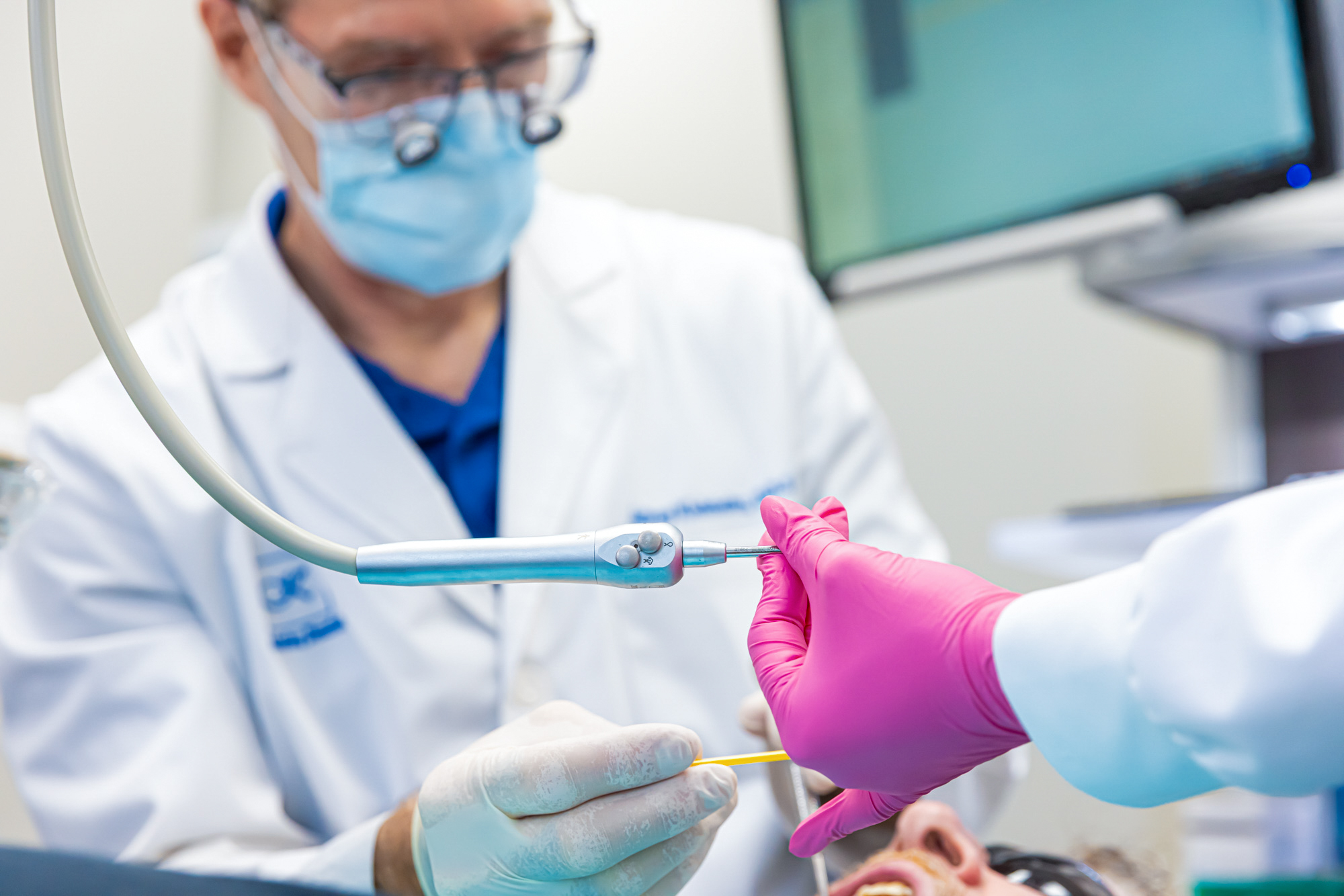
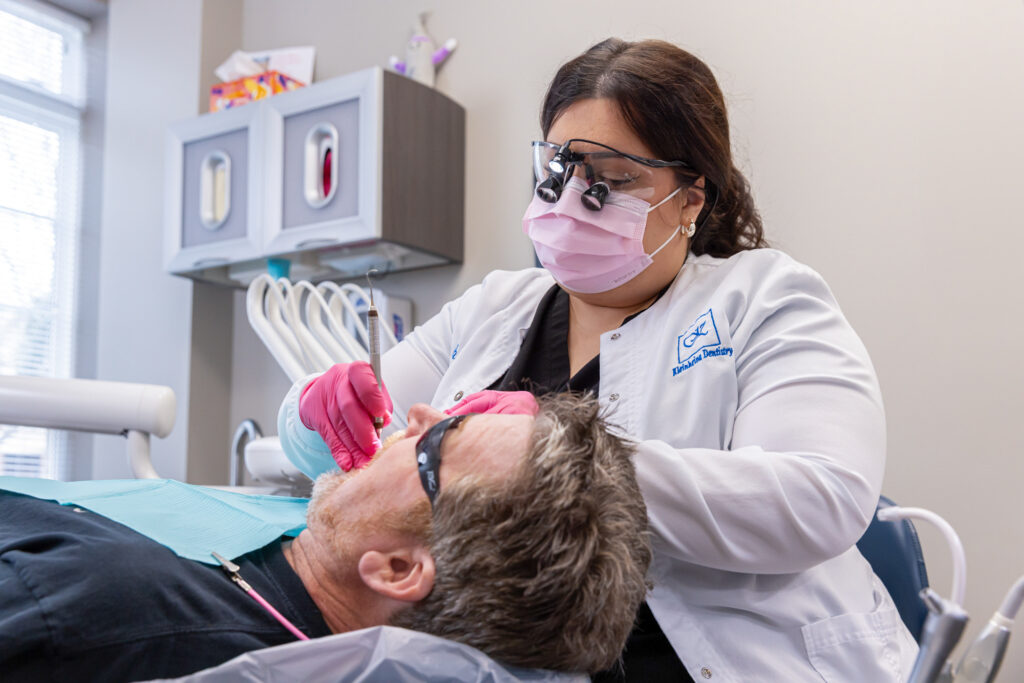
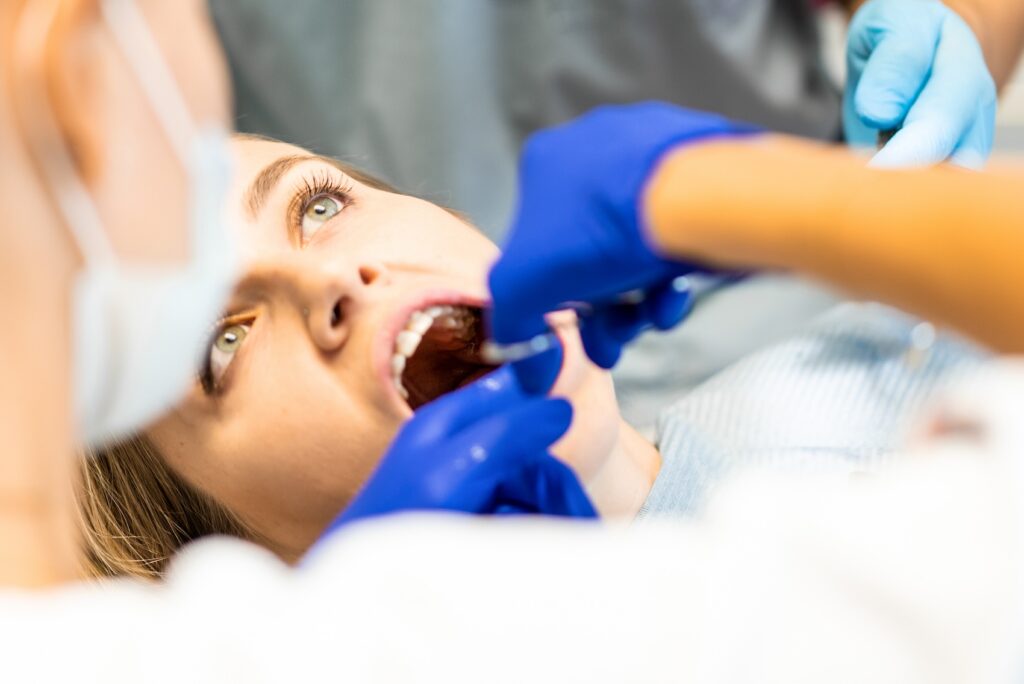
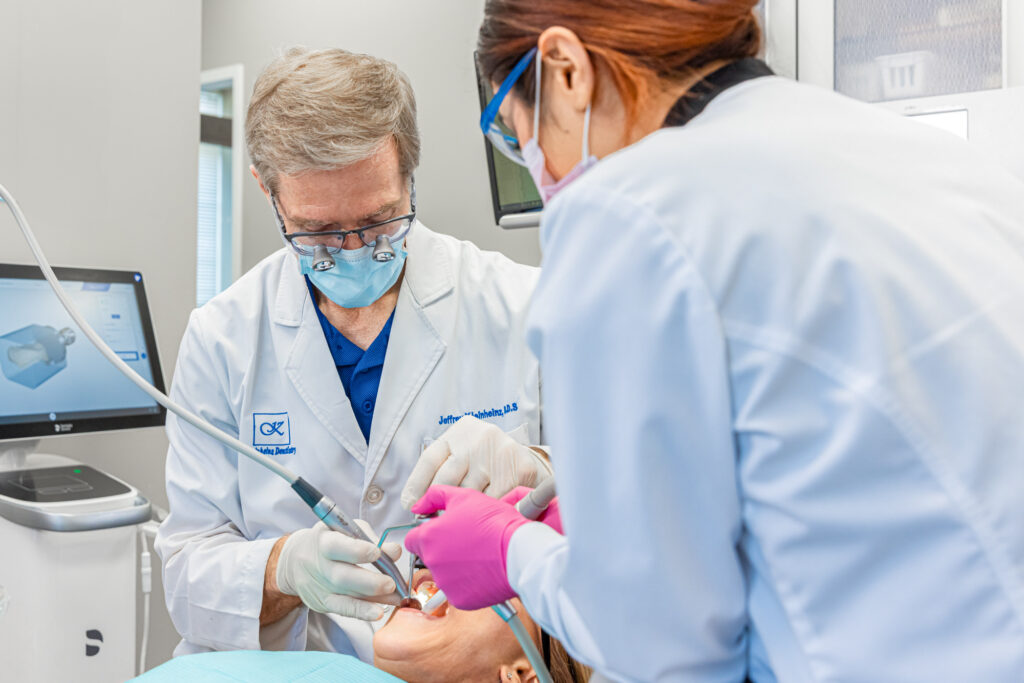
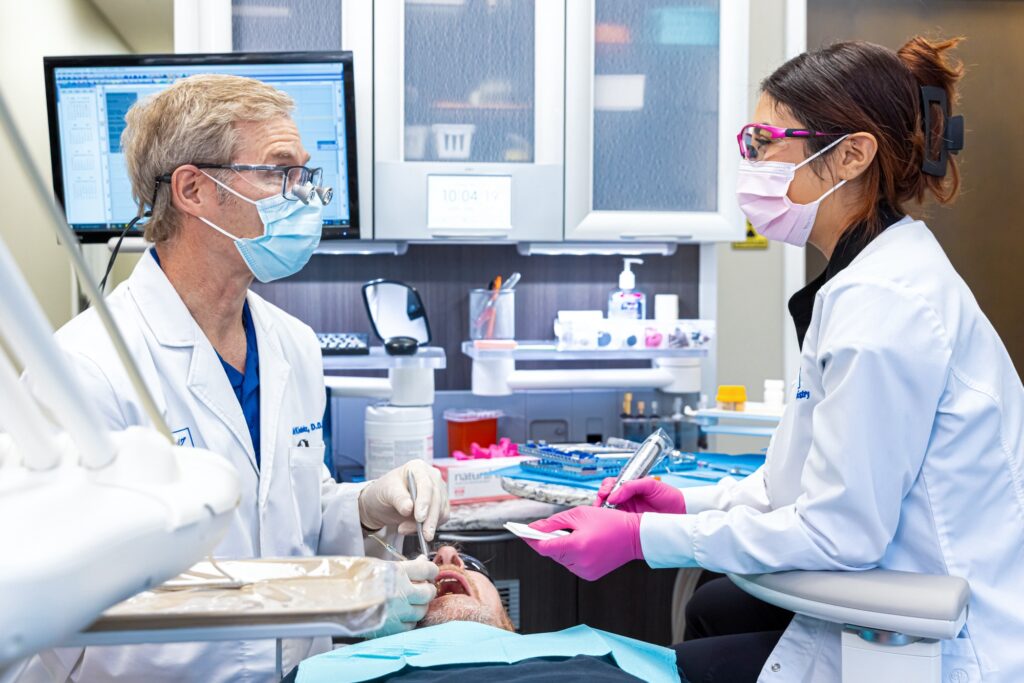
We will have you sit back in a comfortable chair and Dr. Kleinheinz will administer a local anesthetic around the tooth before he gets to work on the root canal.
We put crowns on posterior teeth after we know the tooth is comfortable during a future appointment.
See What We
Can Do
Use our Treatment Planning Tool to see how our services can treat your oral or facial concerns.



Why Kleinheinz?
When you come in for a root canal in South Charlotte, you will have expert care. Dr. Kleinheinz and our team know our way around a tooth.
With 10 years of service as a dentist in the US Air Force, Dr. Kleinheinz, a distinguished veteran, opened his own private practice.
Every patient who comes into Kleinheinz Dentistry receives a customized plan for their ultimate oral health goals.
How Root Canal Therapy Fits Into Long-Term Oral Health
When tooth pain interferes with your daily routine, it’s often a sign that something deeper is happening beneath the surface. Root canal therapy addresses issues that you can’t solve with a simple filling, targeting infection or damage inside the tooth before it causes complications.
For many patients, this treatment is not just about finding immediate relief, but also protecting their oral health for years to come. Addressing infection early helps maintain the stability of surrounding teeth, supports healthy gums, and reduces the likelihood of needing more invasive procedures.
When considering the pros and cons of root canals, it helps to view the procedure as part of a bigger picture. Saving a natural tooth preserves your bite alignment and comfort when performing daily functions, like chewing and speaking.
When a dentist removes a tooth, neighboring teeth can shift, potentially leading to uneven wear or jaw discomfort. This is especially true if we insert a bridge or implant, as your mouth will need to adjust to the new hardware. Root canal therapy resolves the source of pain while avoiding those chain reactions. In addition, this treatment is often easier, faster, and less expensive than a full tooth replacement.
At Kleinheinz Dentistry, the focus is on delivering conservative care whenever possible. Modern technology, advanced imaging, and precise techniques allow treatment to be completed efficiently and comfortably. While every dental procedure requires thoughtful consideration, many patients find that the sooner they treat the problem, the smoother the recovery period. Healthy smiles require proactive decisions, and root canal therapy can be one of those important steps.
What Recovery and Aftercare Look Like
One of the biggest concerns patients have is what happens after the procedure is complete. Recovery from root canal therapy is typically straightforward, especially when you follow post-treatment instructions closely.
Mild soreness or sensitivity is common, but this usually subsides as the area heals. Most patients return to work or normal activities quickly, making the treatment relatively easy to fit into a busy schedule.
Aftercare plays a key role in long-term success. Maintaining consistent oral hygiene habits, including brushing, flossing, and routine dental visits, helps protect the treated tooth. In many cases, we may recommend a crown to reinforce the tooth and restore full function. This additional step helps reduce the risk of fracture and ensures the tooth blends in seamlessly with the rest of your smile.
Recovery is often more manageable than expected, though it’s one of the main reasons patients pause to weigh the pros and cons of root canals before scheduling. Clear communication with your dentist helps you understand what to expect and how to support healing at home.
If you’re also thinking about how your smile looks after treatment, Kleinheinz Dentistry offers a Smile Quiz that can recommend cosmetic dental procedures based on your needs and goals. It’s a helpful way to explore options that complement your oral health and enhance your confidence.
Take Our Smile Quiz
Making an Informed Decision for Your Smile
Deciding whether root canal therapy is right for you involves understanding your unique situation, symptoms, and long-term goals. Every smile is different, and what works best for one patient may not be ideal for another. That’s why open conversations and personalized treatment planning are so important. By discussing findings, timelines, and outcomes, you can feel confident in the path you choose.
Considering the pros and cons of root canals means looking beyond the myths and focusing on the facts. Dentistry advancements have transformed the experience, making treatment more predictable and comfortable than ever before. For many patients, the ability to eliminate an infection, preserve their natural tooth, and avoid more complex procedures makes root canal therapy a practical choice.
Whether root canal therapy is right for you or another approach better suits your needs, the goal remains the same: long-lasting oral health and a smile you can rely on every day. Taking action when symptoms arise helps prevent small problems from becoming big ones, keeping your dental future as strong and stress-free as possible.
At Kleinheinz Dentistry, education is a core part of care. You deserve to understand which options can best protect your smile.
Let’s Get Started
Request your appointment at Kleinheinz Dentistry whenever you’re ready to get a root canal in South Charlotte.

Check Out Our Other Services
From Warning Signs to Lasting Relief
Changes You Can Feel
When the pulp—the soft tissue inside the tooth—becomes damaged or infected, many people experience persistent tooth pain. Often, this pain worsens when chewing or in response to extremely hot or cold food and drinks. Some people also notice an unusual clicking sound in their jaw when chewing and can develop chronic bad breath or a foul taste in their mouth, despite consistent brushing and flossing.
Changes You Can See
You may notice inflammation or bumps on your gums around the tooth. The tooth itself may turn more gray, yellow, or brown than the surrounding teeth. In advanced cases, the tooth may crack, causing fluid to discharge and exposing the pulp to infection. If you experience any of these symptoms, schedule an appointment at Kleinheinz Dentistry so we can determine if you need a root canal in South Charlotte.
Saving Damaged Teeth
The pulp houses nerves, so when damaged, it becomes the source of chronic tooth pain. By removing these nerves and tissues within the teeth, we restore comfort immediately. Then, Dr. Kleinheinz carefully cleans and reshapes the tooth, often applying a crown to the surface. This strengthens the tooth’s structure, enhancing the health and appearance of your natural smile.
Preventing Future Decay
Without intervention, a damaged pulp can lead to more serious health and cosmetic concerns. An infection in one tooth can spread to others, worsening pain and potentially causing the surrounding teeth to shift, creating larger bite and alignment problems. Dr. Kleinheiz approaches every root canal in South Charlotte with precision, preventing the need for a full tooth extraction.